

Many homeowners only think about their sewer system when something goes wrong. A drain slows down, a bad smell comes from the sink, or dirty water starts coming back into the house. These problems usually indicate a larger issue hidden inside the pipes.
A sewer scope inspection helps you find these hidden problems early. It uses a small camera to check inside your sewer line so you can see what is really happening underground. This helps you avoid big repairs, stress, and expensive damage later.
What Is a Sewer Scope Inspection?
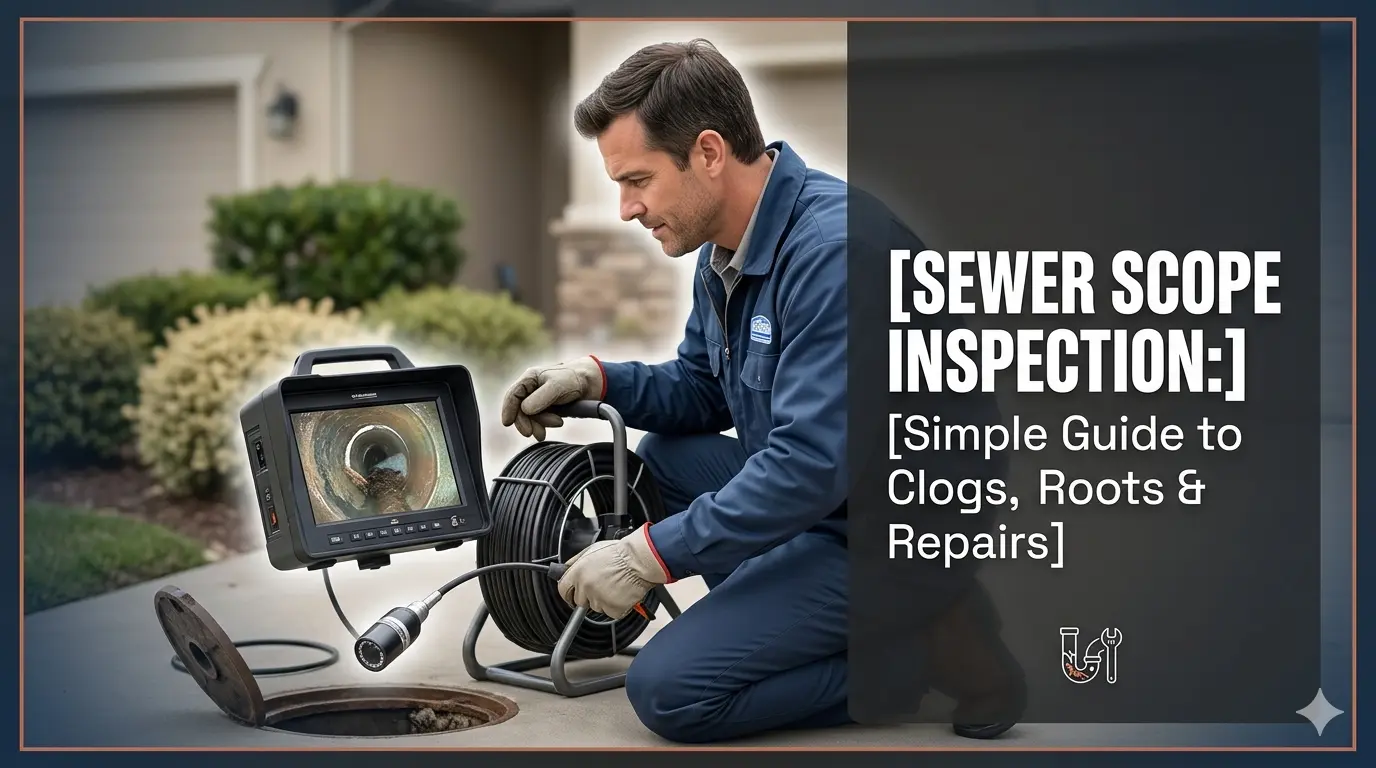
A sewer scope inspection is a simple process in which a plumber uses a small, waterproof camera to look inside your sewer pipes. This helps find problems without digging your yard.
How the inspection works
During a sewer scope inspection, the plumber places a camera into your main sewer line through an access point. The camera moves through the pipe and sends live video to a screen.
This helps find:
- Blockages inside the pipe
- Cracks or broken sections
- Buildup of grease and waste
- Early signs of pipe damage
The plumber can see the exact condition of your sewer line and explain what needs to be fixed.
Common Problems Found in Sewer Lines
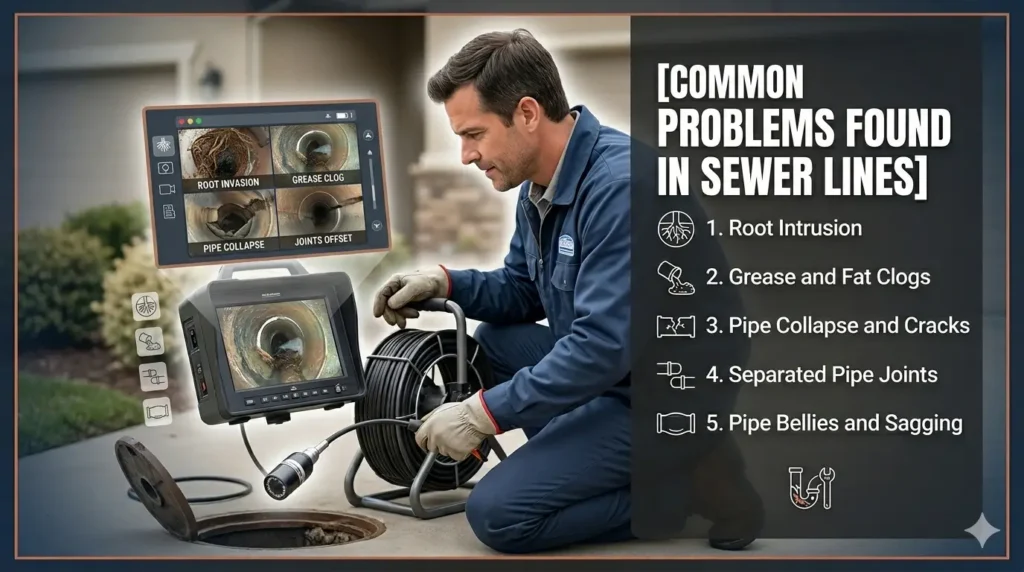
Sewer problems often grow slowly. You may not notice them until they become serious. A camera inspection helps find these issues early.
Main sewer line clog
A main sewer line clog happens when waste, grease, wipes, or other debris block the main pipe. When this happens, water cannot flow properly.
You may notice:
- Slow drains in different parts of the house
- Toilets that bubble or gurgle
- Water backing up in sinks or tubs
If you ignore it, the clog can get worse and cause a full backup inside your home.
Tree roots in the sewer line
One of the most common issues is tree roots causing sewer line damage. Tree roots grow toward moisture and can enter small cracks in pipes.
Once roots get inside, they grow fast and block the flow of water. Over time, they can break the pipe or cause repeated clogs.
Signs of root problems include:
- Frequent drain backups
- Slow flushing toilets
- Strange wet spots in the yard
Broken sewer line repair issues
Sometimes the sewer line is not just clogged; it is damaged. A broken sewer line repair is needed when pipes crack, collapse, or shift out of place.
This can happen due to:
- Old or weak pipes
- Ground movement
- Heavy pressure above the ground
Repair options may include fixing a small section or replacing the full pipe if the damage is severe.
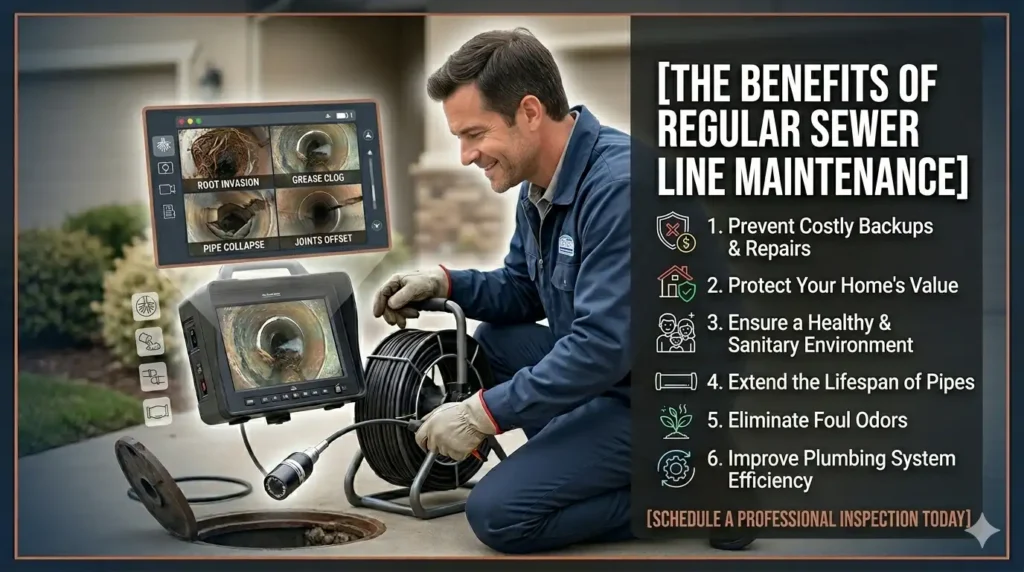
Why Sewer Line Maintenance Is Important
Regular care keeps your sewer system working smoothly. Many people ignore their pipes until a problem happens, but simple maintenance can prevent big issues.
Good sewer line maintenance helps you:
- Stop major blockages before they form
- Keep water flowing smoothly
- Avoid costly emergency repairs
- Extend the life of your sewer system
A small inspection today can save you from a major repair later.
Warning Signs of Sewer Problems
Your home often shows early warning signs before a full sewer problem happens. You just need to notice them on time.
Watch for these signs:
- Multiple drains clog at the same time
- Bad smells from sinks or toilets
- Water is backing up in low drains
- Wet or soft ground in your yard
These signs often mean there is a hidden problem in your sewer line that needs attention.
How to Prevent Sewer Backups
You can prevent most sewer problems with simple daily habits and regular inspections.
Sewer backup prevention tips
Sewer backup prevention starts with being careful about what goes down your drains.
Follow these simple steps:
- Do not flush wipes, grease, or food waste
- Clean drains regularly
- Get routine camera inspections
- Install a backwater valve if needed
These steps help keep your sewer system clear and reduce the chance of sudden backups.
When You Should Get a Sewer Scope Inspection
You do not need to wait for a major problem before calling a plumber. A sewer inspection is helpful in many situations.
You should schedule a sewer scope inspection if:
- You are buying or selling a home
- Your home is more than 20 years old
- You have frequent drainage problems
- You notice bad smells or slow drains
Older homes often have old pipes that need closer inspection to avoid surprise damage.
Why Professional Plumbing Help Matters
Fixing sewer problems is not always simple. Store-bought cleaners or DIY methods only treat the surface issue. They do not fix the real cause.
A professional plumber can:
- Find the exact problem using a camera
- Explain what is happening inside your pipes
- Suggest the right repair method
- Fix the issue safely and correctly
For trusted service, you can contact Near Plumbing and Drain Services. They handle sewer inspections, drain cleaning, pipe repair, and full plumbing services with proper tools and experience.
Conclusion
Your sewer system works every day without attention, but it can develop hidden problems over time. Issues like clogs, tree roots, and pipe damage often grow slowly until they become serious.
A sewer scope inspection helps you see these problems early and fix them before they turn into costly repairs. Regular maintenance and quick action can protect your home and save you money.
Call to Action
Do not wait for a backup or a messy plumbing emergency. If you notice slow drains, bad smells, or just want peace of mind, contact Near Plumbing and Drain Services today. Their team can inspect your sewer line, find hidden problems, and provide fast, reliable solutions to keep your home safe and stress-free.
FAQs
1. What is a sewer scope inspection?
A sewer scope inspection uses a small camera to check inside your sewer pipes. It helps find clogs, cracks, and other hidden problems without digging.
2. How do I know if I need a sewer inspection?
If your drains are slow, your toilet bubbles, or you smell bad odors, you likely need an inspection to check for hidden sewer issues.
3. Can tree roots really block sewer lines?
Yes, tree roots can enter small cracks in pipes and grow inside. Over time, they can block water flow and damage the pipe.
4. How often should I check my sewer line?
Most homes should get a sewer inspection every 1–2 years, especially older homes or homes with large trees nearby.
5. What happens if I ignore sewer problems?
Ignoring sewer issues can lead to full backups, water damage, and expensive repairs that could have been avoided with early detection.