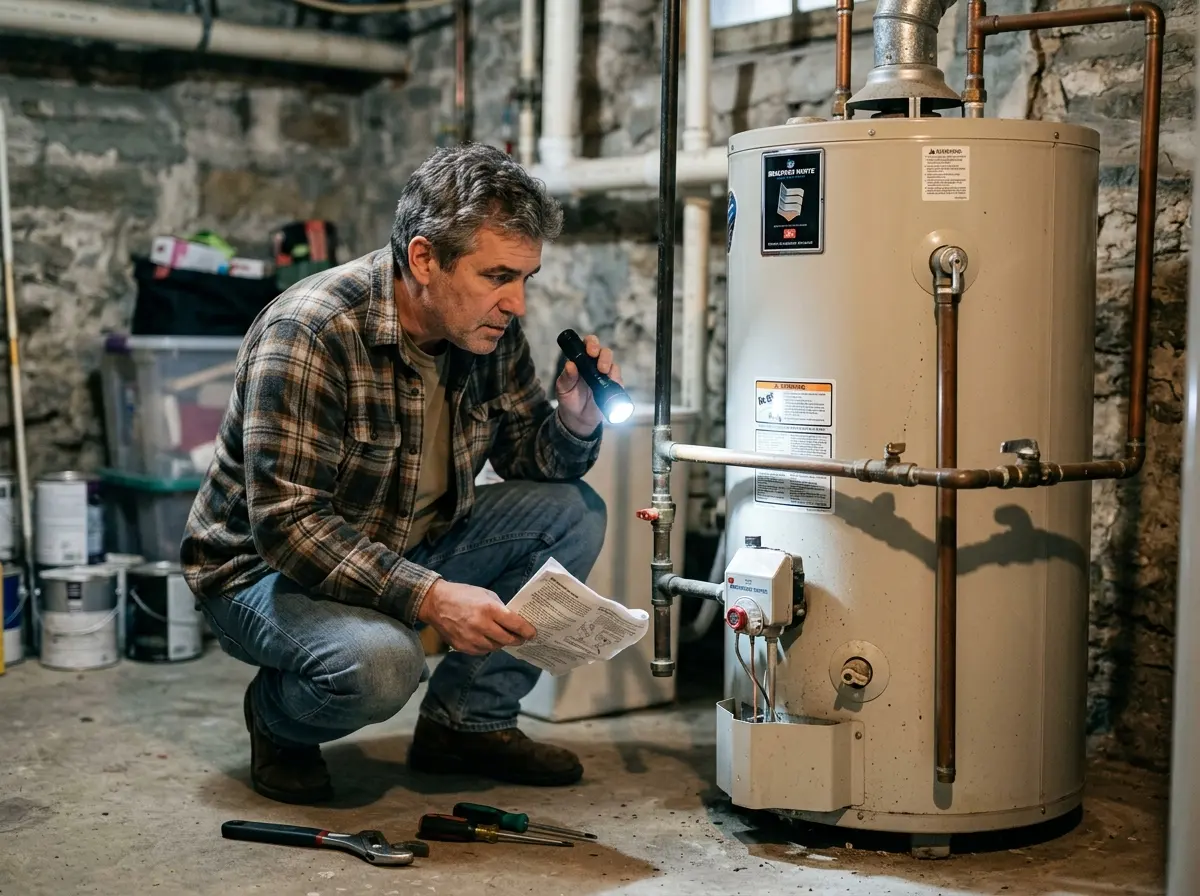

It starts as barely anything — water takes a few extra seconds to drain after you wash the dishes. Easy to ignore. Then, a few weeks later, you’re standing at the sink watching a pool of dirty water sit there for two full minutes before it slowly disappears. By the time most Pittsburgh homeowners call about a kitchen drain, they’ve been living with it for longer than they want to admit.
Kitchen drains take a beating. Every meal, every dish, every time someone rinses a pan — it all goes through that one drain. Grease, soap, food scraps — they don’t just pass through cleanly. They coat the inside of your pipes, layer by layer, until the pipe is half the diameter it used to be. Here’s how to figure out what you’re dealing with, what you can reasonably try yourself, and when you need to call drain cleaning experts.
Why Your Kitchen Drain Gets Clogged in the First Place
Grease is the main reason. It goes down as a warm liquid and hardens inside your pipe as it cools. That grease layer catches food particles, soap residue, and anything else that comes through — and it builds up slowly over months until water barely moves. By the time you notice the drain is slow, there’s usually a significant layer already coating your pipe walls.
Pittsburgh homes with cast iron or galvanized steel drain lines — which describes a huge percentage of houses built before 1970 — are especially prone to buildup. The interior surface of older pipe materials is rough and porous compared to modern PVC, which means grease and debris grab on and hold tight. A grease-clogged kitchen drain in Pittsburgh is far more common in older neighborhoods, and it responds differently to treatment than a simple food clogs its needs professional drain unclogging services.
What You Can Try Before Calling Anyone
Boiling Water — Works for Early-Stage Grease
If your drain is just starting to slow down and hasn’t fully blocked, boiling water can break up soft grease deposits enough to restore some flow. Pour it in stages — not all at once — giving it 20 to 30 seconds between pours. This only works on metal pipes; don’t use boiling water on PVC or older plastic fittings. And be realistic — if the drain has been slow for weeks, this isn’t going to fix it. It might buy you a few days at best.
Baking Soda and Vinegar — Fine for Light Buildup
Pour a half cup of baking soda down the drain, follow it with a half cup of white vinegar, let it fizz for 15 to 20 minutes, then flush with hot water. This combination can handle light soap scum and early-stage grease. It’s not going to clear a full blockage or years of buildup — but for a drain that just needs a little help, it’s worth trying before reaching for anything else.
A Drain Snake — Good for Shallow Clogs
If the blockage is in the first few feet of pipe, a hand-operated drain snake can grab and pull out whatever’s causing the problem. Basic models run under $30 at any Pittsburgh hardware store. Push it in slowly, rotate as you go, and pull back when you feel resistance. This works well on food or grease clogs close to the drain opening, but won’t reach deeper blockages or clean the pipe walls the way professional equipment does.
What to Skip Entirely
Chemical drain cleaners — Drano, Liquid-Plumr, anything like that. They’re harsh enough to damage older pipe materials, corrode the joints in aging cast iron lines, and create a caustic hazard for whoever opens that drain next. In Pittsburgh homes with older plumbing, the risk outweighs whatever temporary relief they offer. They punch a hole through a soft clog at best. They don’t clean the pipe. The clog comes back. And now you’ve got a weakened pipe on top of it.
Signs the Clog Is Beyond What You Can Handle Yourself
Some situations tell you clearly that a drain snake and a bottle of vinegar aren’t going to cut it. Call drain cleaning professionals in Pittsburgh if you’re seeing any of these:
- Multiple drains are slowing at the same time — that’s a main sewer line issue, not a kitchen problem
- Gurgling sounds from other drains when the kitchen sink runs — air is trapped in the main line
- Water is backing up into other fixtures while the kitchen drains — sewage is finding the path of least resistance
- Standing water that won’t budge even after multiple DIY attempts — the blockage is too deep or too dense
- The same drain clogs every month or two — there’s a buildup problem that surface fixes aren’t reaching
That last one is worth paying attention to. If you’re snaking your kitchen drain every few weeks, you’re spending time and energy on a symptom while the actual problem — years of grease coating your pipe walls — just gets worse. One proper drain cleaning gets further ahead than six rounds of DIY.
How Professional Drain Cleaning Actually Works
Electric Auger
For most standard kitchen drain clogs, a professional-grade electric auger is the first tool that goes in. It reaches 50 feet or more into the line — well past where any hand snake can go — and breaks up or extracts whatever’s causing the problem. It’s faster, more thorough, and doesn’t leave the blockage pushed deeper into the pipe as some DIY attempts do.
Hydro Jetting
For serious grease buildup, recurring clogs, or pipes that haven’t been properly cleaned in years, hydro jetting is the most effective option available. A specialized nozzle sends a high-pressure water stream — typically 3,000 to 4,000 PSI — that scours the inside walls of the pipe and flushes the accumulated grease, debris, and buildup completely out of the line. It’s not always necessary for a single clog, but for Pittsburgh homes with chronic kitchen drain issues, it solves the problem at the source rather than just clearing today’s blockage.
Camera Inspection for Recurring Problems
If your kitchen drain keeps coming back as a problem, no matter what gets done to it, a camera inspection is worth it. Near Plumbing uses sewer camera equipment to see exactly what’s inside the pipe — root intrusion, pipe offset, a collapsed section, or just extreme buildup that explains why the drain never fully clears. Fixing the right thing once is always cheaper than repeated service calls fixing the wrong thing over and over.
Keeping Your Kitchen Drain Clear Between Service Visits
Once the drain is flowing properly, keeping it that way takes almost no effort:
- Never pour grease or cooking oil down the drain — pour it into a jar and throw it away
- Run hot water for 30 seconds after washing dishes to push any residue through the line before it sets
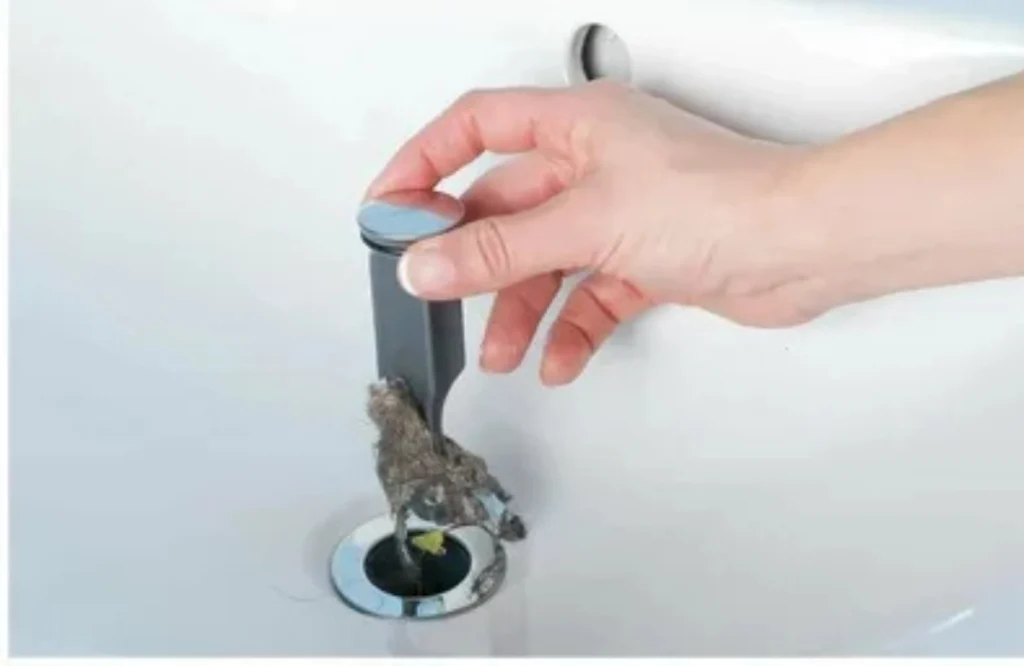
- Use a simple drain strainer to catch food particles before they enter the pipe — they cost a few dollars and save a lot of hassle
- Do a baking soda and hot water flush monthly as light maintenance — it’s not a cure, but it slows buildup
- Schedule professional drain cleaning once a year if your Pittsburgh home has older pipes — buildup happens faster in cast iron lines than most homeowners expect

None of these habits is a guarantee, but they make a real difference in how often your kitchen drain needs professional attention
Near Plumbing Clears Clogged Drains in Pittsburgh — Same Day
If your kitchen sink is slow or completely stopped up, Near Plumbing and Drain Services fixes it with the right equipment for your specific clog — not a one-size-fits-all approach. We serve Pittsburgh and surrounding areas with same-day drain cleaning appointments, upfront pricing before any work starts, and no surprise charges when the job is done. We’ve been clearing drains in Pittsburgh homes for over 20 years, and we know what works on the older pipe systems this city is full of.
Frequently Asked Questions
Why does my kitchen drain keep clogging even after I clean it?
Most DIY methods clear the opening of the clog without cleaning the pipe walls. Grease and buildup stay behind, and the blockage reforms. A professional hydro jetting service cleans the full interior of the pipe and prevents the same clog from coming back every few weeks.
Is it safe to use chemical drain cleaners on Pittsburgh’s older pipes?
Not really — especially on cast iron or galvanized steel lines common in older Pittsburgh homes. Chemical cleaners can corrode joints and pipe walls over time, creating a bigger repair problem down the road. A drain snake or professional cleaning is safer and actually more effective on serious clogs.
How much does drain cleaning cost in Pittsburgh?
Standard kitchen drain cleaning in Pittsburgh typically runs $100 to $300, depending on the severity of the clog and the method used. Hydro jetting for heavy buildup costs more upfront but solves the problem properly, which usually ends up cheaper than repeated basic service calls that don’t fully fix it.
How do I know if it’s a kitchen drain clog or a main sewer line problem?
If only the kitchen sink is slow, it’s likely a localized clog in that drain line. If multiple fixtures are backing up or gurgling at the same time — especially if you notice the bathroom draining slowly when the kitchen runs — the main sewer line is likely the issue and needs immediate attention.
How often should Pittsburgh homeowners get their drains professionally cleaned?
Once a year is a reasonable baseline for most households. Homes with older cast iron pipes or heavy cooking use benefit from cleaning every six to twelve months to stay ahead of grease accumulation before it becomes a full blockage.