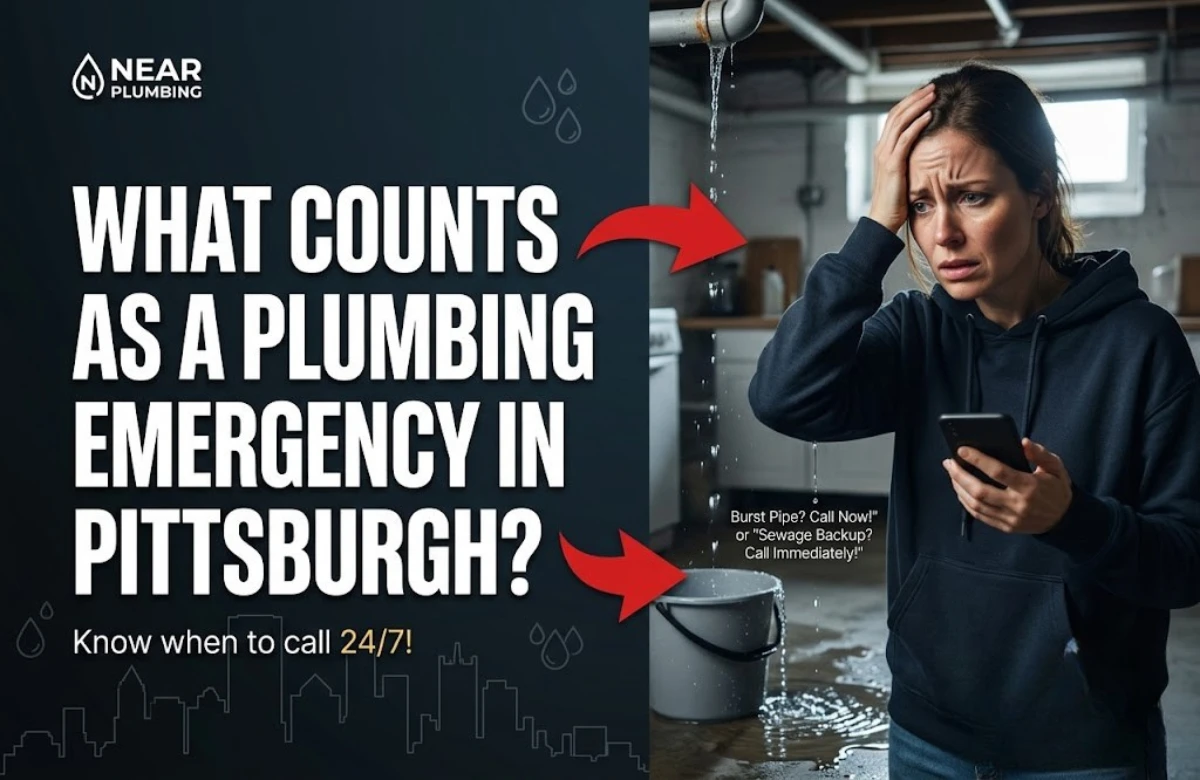
It’s 11:30 at night. You walk into the kitchen for a glass of water and step into a puddle that definitely wasn’t there an hour ago. Your brain immediately asks two things: how bad is this, and do I call someone right now or wait until morning? That split-second decision matters more than most people realize.
Waiting on a real emergency can turn a $300 repair into a $3,000 water damage situation in a matter of hours. But not every plumbing problem needs a midnight call — and knowing the difference saves you money, stress, and a sleepless night for something that could’ve waited until 8 AM. This post gives you a clear way to think through it, so you’re not guessing when it counts.
The Simple Rule for Deciding If It’s an Emergency
If water is actively spreading somewhere it shouldn’t be, sewage is coming up instead of going down, gas is involved, or your household has zero access to running water — that’s an emergency. Call plumbing experts in Pittsburgh now, not in the morning.
Everything else — a faucet that drips, a toilet that runs, a drain that’s slow — is a real problem worth fixing soon. It’s just not a problem that gets worse by the hour while you sleep. The difference is whether active damage is happening right now, or whether the situation is stable and contained until business hours.
Situations That Are Always Emergencies
A Pipe Just Burst
Pittsburgh winters are brutal on pipes. Exterior walls, unheated crawl spaces, basements that don’t stay warm — these are all spots where pipes freeze solid in January and February. The freeze itself isn’t always the problem. The burst happens when the ice thaws and the cracked pipe lets loose. By the time water starts showing up, it’s often been running inside a wall for longer than you’d like to think.
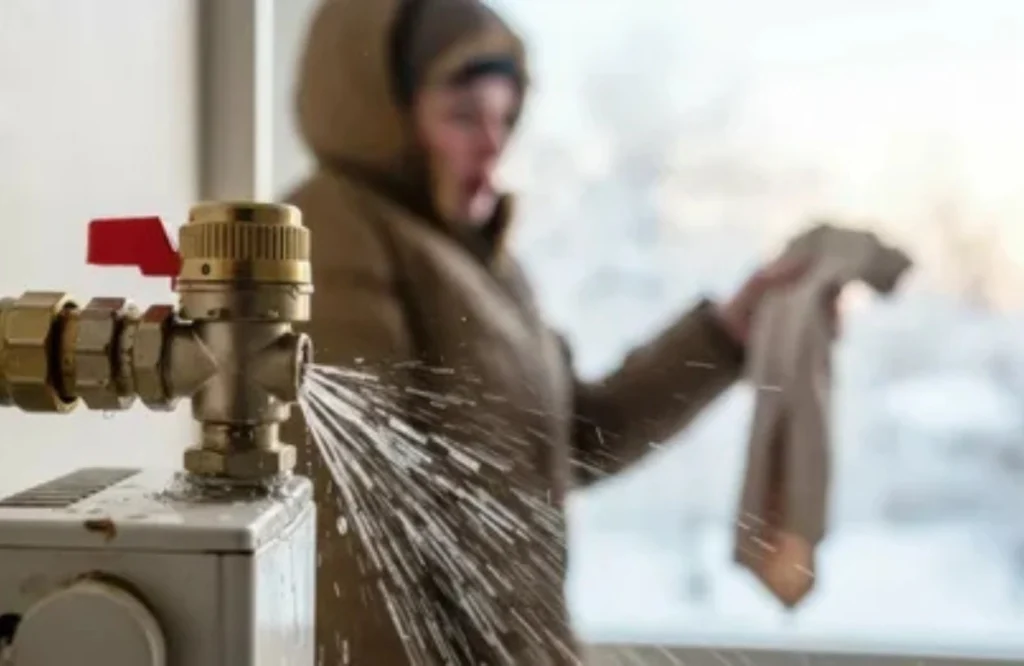
If a pipe bursts, shut your main water supply off immediately — it’s usually near your water meter or where the main line enters the house. Then call. Every minute with the water on is more damage to drywall, flooring, and insulation. Near Plumbing responds within 60 minutes across Pittsburgh, nights and weekends included.
Sewage Is Backing Up Into Your Home
This one has no gray area. If black water or sewage is coming up through a drain, a toilet, or a floor drain in your basement, stop using every fixture in the house and call a plumber immediately. Raw sewage carries bacteria that create health hazards fast, and it soaks into flooring and drywall in a way that’s expensive to remediate. A sewer backup doesn’t clear on its own — something is blocking that main line, and it needs professional plumbers and equipment to fix this emergency.
You Have No Hot Water, and It’s Winter
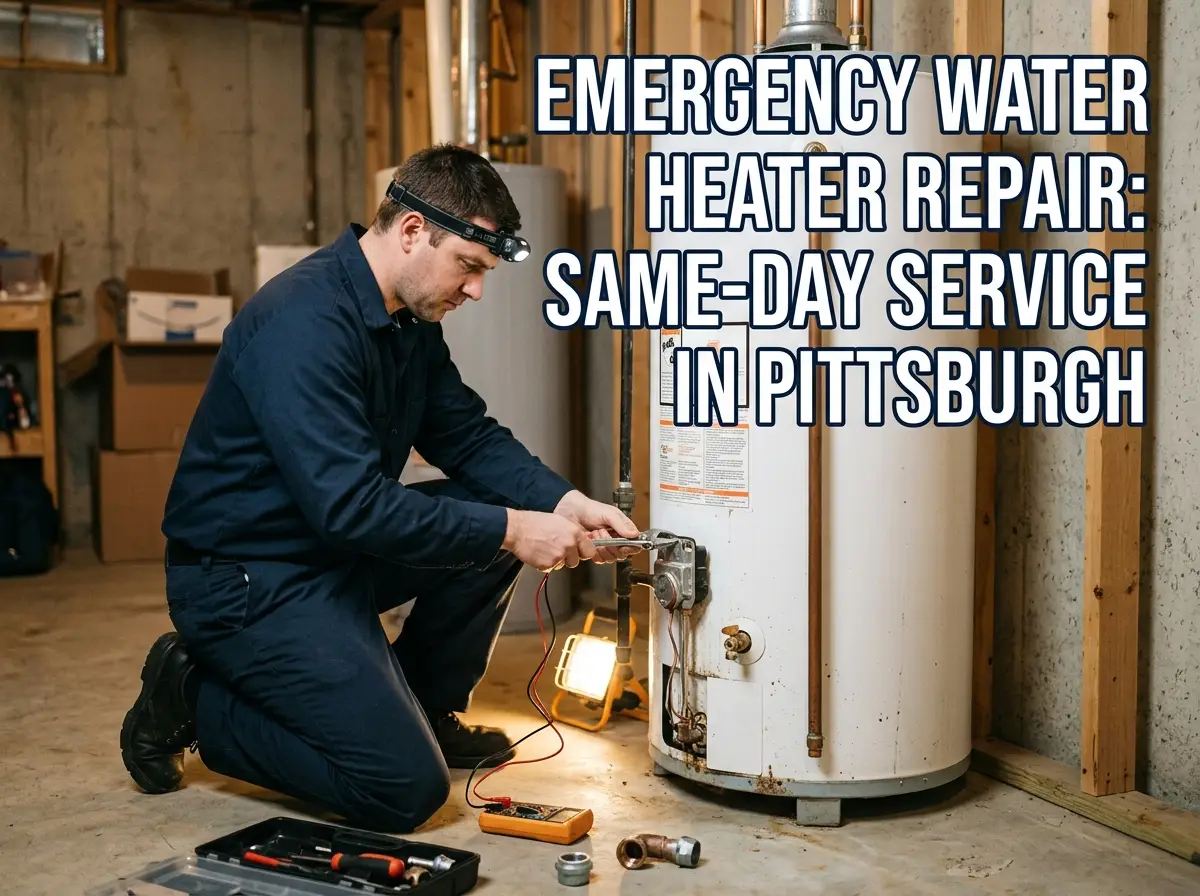
A lot of people try to tough this one out and schedule it for Monday. That’s fine if it’s April. It’s not fine in January when Pittsburgh temperatures are in the teens. A complete water heater failure — especially in homes with elderly residents or young kids — is an emergency. It can also signal a gas supply problem or a dangerous pressure issue, depending on your unit. Don’t sleep on it.
You Smell Gas Anywhere in the House
This isn’t a plumbing call — it’s a get-out-of-the-house call. If you smell gas, don’t flip any switches, don’t use your phone until you’re outside, and don’t assume the smell will go away. Leave, call your gas company, then call a licensed plumber for gas line repair once the utility company has assessed the situation. Near Plumbing handles gas line services in Pittsburgh, but safety comes first — get out, then call.
Water Is Flowing, and You Cannot Stop It
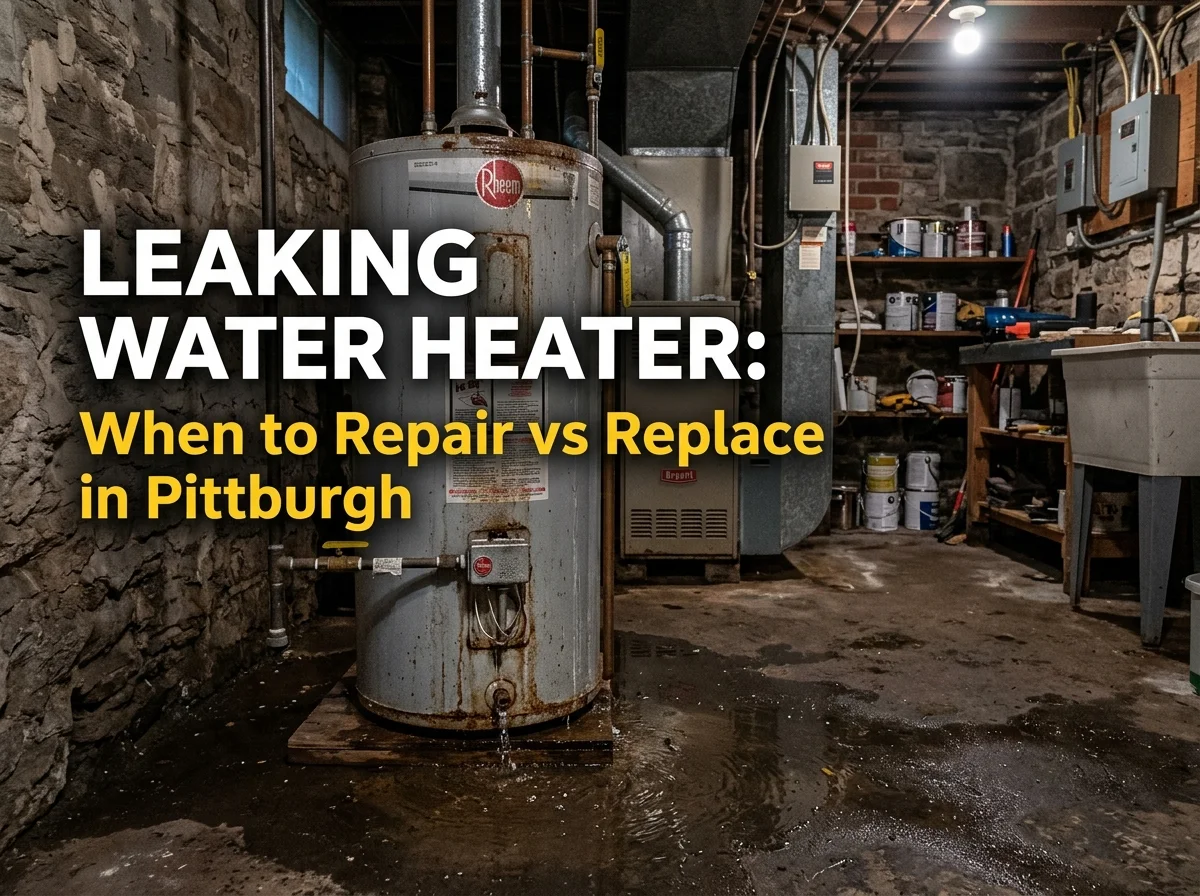
If a pipe, fixture, or appliance is leaking actively and you can’t stop it by turning off the supply valve at the source, shut the main water supply off and call for emergency plumbing service near your area. Ongoing water intrusion soaks into structural materials fast. A leak that costs $400 to fix on day one can easily become a $4,000 mold and restoration job by day four.
Situations That Feel Urgent But Can Wait Until Morning
These problems are real and worth fixing — just not at 1 AM:
- One slow drain that still drains — schedule drain cleaning within the week
- A running toilet that cycles every few minutes — annoying, but water isn’t going anywhere, damaging
- A dripping faucet — replace the washer or cartridge at your next convenient appointment
- Low water pressure in a single fixture — likely a clogged aerator, not a pipe issue
- A water heater making popping or rumbling sounds but still producing hot water — sediment buildup, worth a service call soon, but not tonight
The question to ask yourself is: Is something getting worse right now while I’m standing here? If yes, call. If the situation is the same as it was an hour ago and nothing is spreading, it can wait.
Pittsburgh’s Freeze-Thaw Cycle and What It Does to Your Pipes
This is worth understanding if you’ve lived in Pittsburgh for any amount of time. The city’s winter weather doesn’t stay consistently cold — it swings. You’ll get a few days in the teens, then a stretch of 40-degree days, then another freeze. That cycling is harder on pipes than a steady cold snap, because pipes crack during the freeze and release during the thaw.
The burst pipe calls Near Plumbing gets most often in Pittsburgh come in late January and February — after a cold snap, during the warm-up. Homeowners find water damage in walls, ceilings, and floors from pipes that cracked silently while frozen and let go the moment they thawed. Homes in Shadyside, Bloomfield, and other older Pittsburgh neighborhoods with pipes in exterior walls are the most vulnerable. If you know your home has pipes in unheated spaces, getting them inspected before winter genuinely pays off.
What to Do While You Wait for the Plumber
You’ve made the call. The team is on the way. Here’s what to do in the meantime:
- Shut off the main water supply if a pipe has burst or a leak is uncontrolled
- Turn off the water heater, too — running it without a water supply can damage the unit
- Don’t use any drains or toilets if you suspect a sewer backup — it pushes more sewage into the house
- Open cabinet doors under sinks to let warm air reach pipes during a freeze
- Take photos of visible damage before you start cleaning — this matters for any insurance claim
When you call Near Plumbing, tell the team member what’s happening and what steps you’ve already taken. That helps us show up with the right equipment for your specific situation instead of figuring it out in your driveway.
Near Plumbing Takes Emergency Calls 24/7 — No Overtime Fees
When something goes wrong at 2 AM, you want a local plumber who answers live — not a call center in another state reading from a script. Near Plumbing and Drain Services is Pittsburgh-based, answers every call directly, and dispatches within 60 minutes for emergency situations across Pittsburgh and surrounding areas, including Ross Township, Mount Lebanon, Cranberry Township, and Squirrel Hill.
No overtime charges. No holiday fees. The same honest, upfront pricing at midnight as at noon.
Frequently Asked Questions
How do I know if my plumbing problem is actually an emergency?
If water is spreading actively, sewage is backing up, gas is involved, or you can’t stop a leak — call now. If the problem is stable and not actively getting worse, it can usually wait for a scheduled appointment. When in doubt, call anyway — a two-minute phone conversation costs nothing and might save you thousands.
Does Near Plumbing charge more for emergency calls at night or on weekends?
No — Near Plumbing doesn’t charge overtime fees or weekend surcharges under any circumstances. The rate you’re quoted at midnight on a Sunday is the same rate you’d pay at noon on a Wednesday. No exceptions.
How fast does Near Plumbing respond to plumbing emergencies in Pittsburgh?
Within 60 minutes across the Pittsburgh area. When you call, you speak directly to a local team member who dispatches immediately — not a call center that takes a message and passes it along.
What should I do first when a pipe bursts in my Pittsburgh home?
Shut off your main water supply valve right away — usually near your water meter or where the main line enters the house. Then call. Turning off the supply stops the damage from spreading while you wait. Don’t try to patch a burst pipe yourself; it needs a proper repair to hold.
Can a sewer backup fix itself if I just stop using water for a while?
No. A sewer backup means something is blocking the main line — roots, debris, a collapsed section — and that blockage doesn’t move on its own. Using any fixture pushes more sewage toward your home. Stop using water and call immediately.