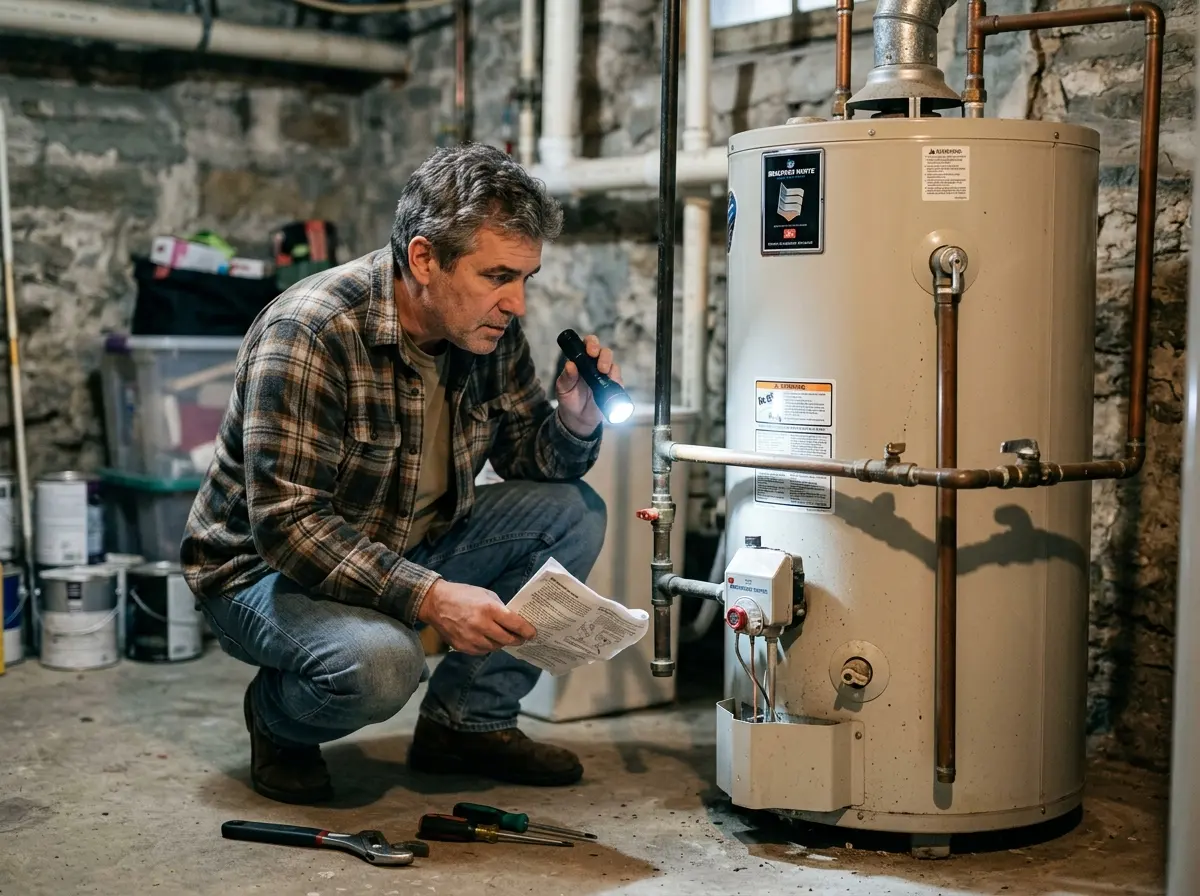
Your water heater has stopped working and no hot water water heater is frustrating. You’re taking cold showers and your family is unhappy. You’re not sure what’s wrong or how to fix. Understanding water heater not working helps you know what to do. This guide explains common problems and troubleshooting guide solutions. For complete information on all water heater types and replacement options, see our full water heater repair and installation guide for Pittsburgh homes. Inconsistent hot water problems. Water heater problems explained. Repair solutions provided. Real troubleshooting. Smart decisions. By the end you’ll know if you can fix problem yourself.
Common Water Heater Problems In Pittsburgh Homes
No Hot Water Is Most Common Problem Reported
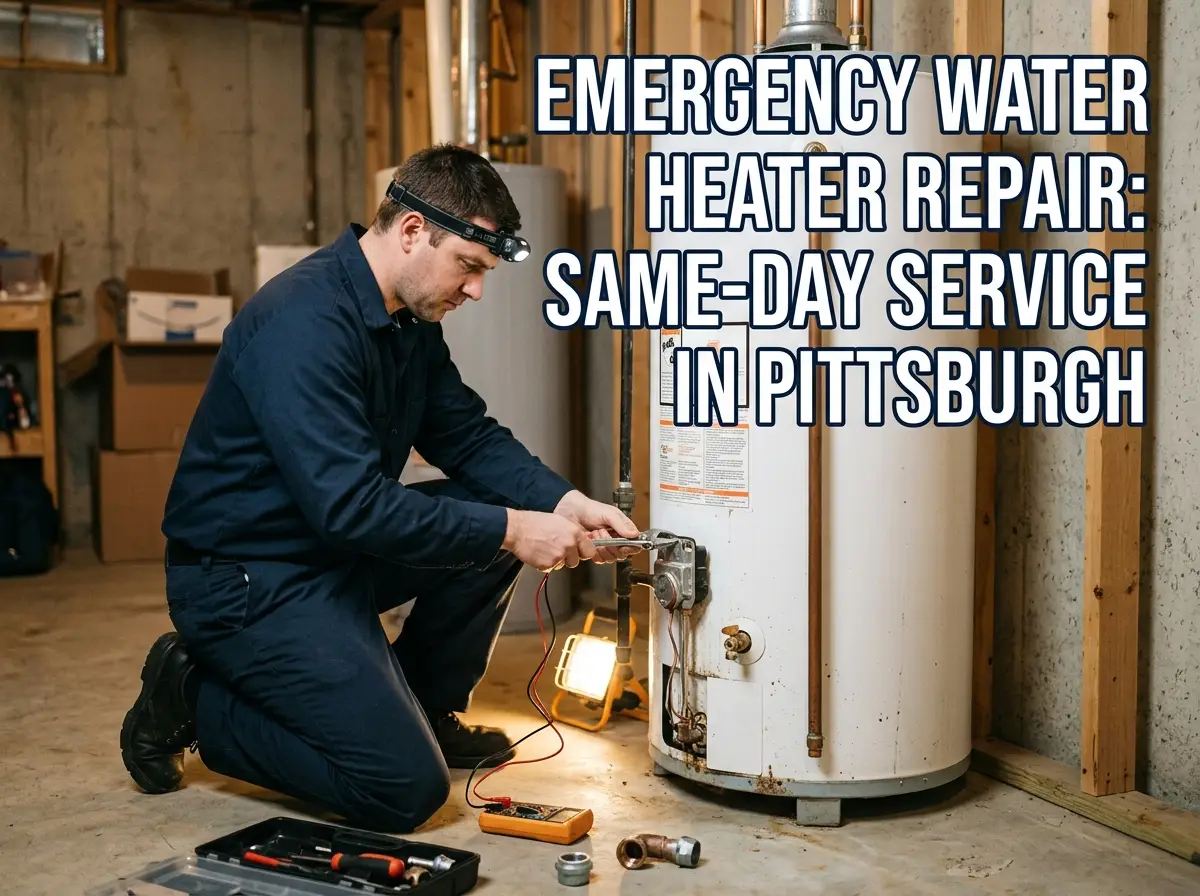
No hot water water heater is most frequent issue. Cold showers indicate heater has failed. No hot water affects entire family. Problem needs immediate attention and fix. Multiple causes can create this problem. Professional diagnosis determines actual cause. Some causes require professional repair. Quick diagnosis prevents prolonged discomfort.
Inconsistent Hot Water Temperatures Create Frustration
Inconsistent hot water happens when temperature varies. Sometimes water is too hot. Sometimes water is not hot enough. Temperature fluctuations are annoying and uncomfortable. Problem can indicate thermostat malfunction. Problem can indicate mixing valve issues. Professional can identify and fix. Inconsistent temperatures need professional attention.
Water Heater Leaking Water Is Serious Problem
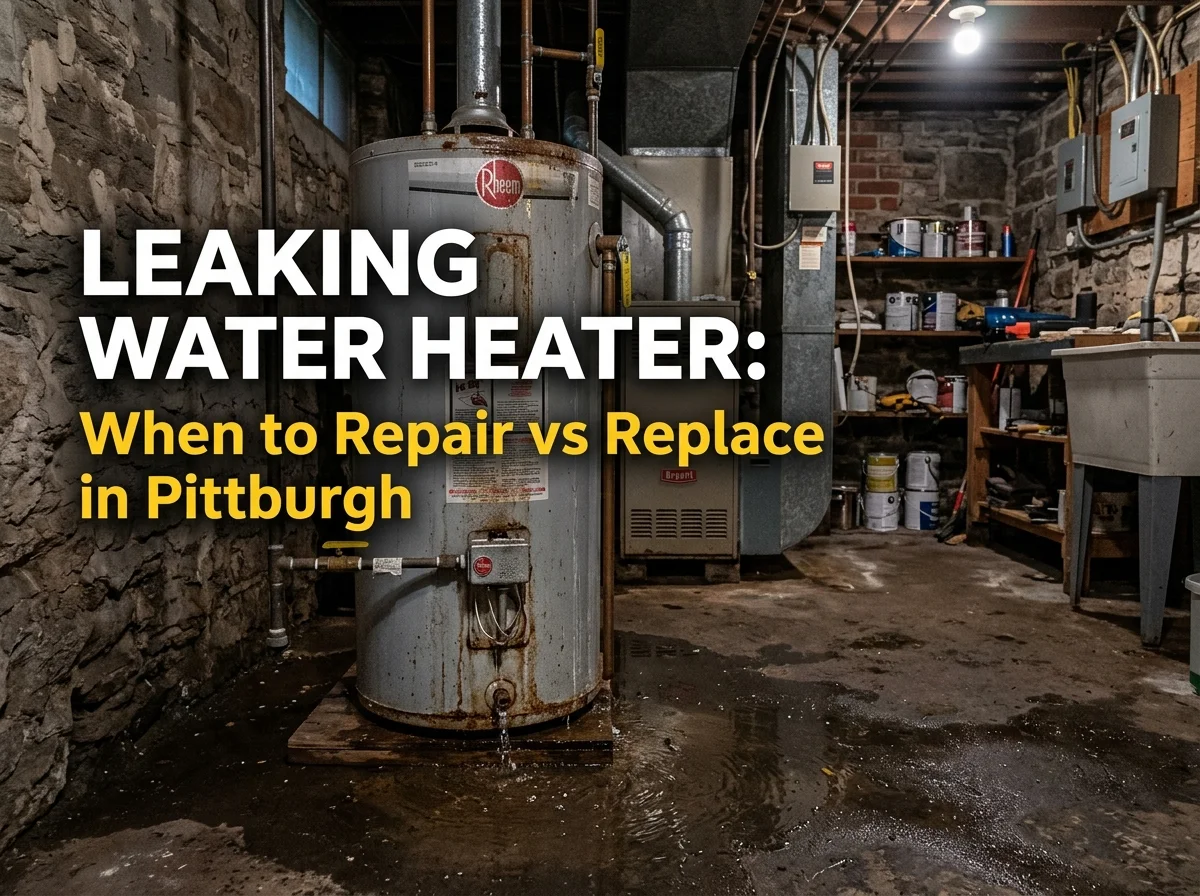
Leaks indicate internal damage or corrosion. Leaking water causes water damage. Leaking heater must be replaced. Puddles around heater indicate leak. Water damage spreads quickly if ignored. Leaks require immediate professional attention. Do not delay leak repairs. Leaking is emergency situation. For immediate assistance with water heater leaks or failures, call our 24/7 emergency plumbing services for rapid response in Pittsburgh.
Unusual Noises Indicate Internal Heater Problems
Rumbling sounds mean sediment buildup exists. Popping sounds indicate mineral deposits. Strange noises mean maintenance is needed. Noises increase over time if ignored. Professional can flush sediment out. Flushing restores heater performance. Noises prevent damage with maintenance. Professional service prevents major problems.
Discolored Or Rusty Water From Hot Tap
Rusty water indicates internal corrosion. Brown or orange water means rust. Rusty water means heater is failing. Rust damages heater from inside. Replacement becomes necessary with rust. Rusty water is health concern. Professional assessment determines heater condition. Rust indicates advanced aging.
Troubleshooting Guide: Diagnosis Steps To Try
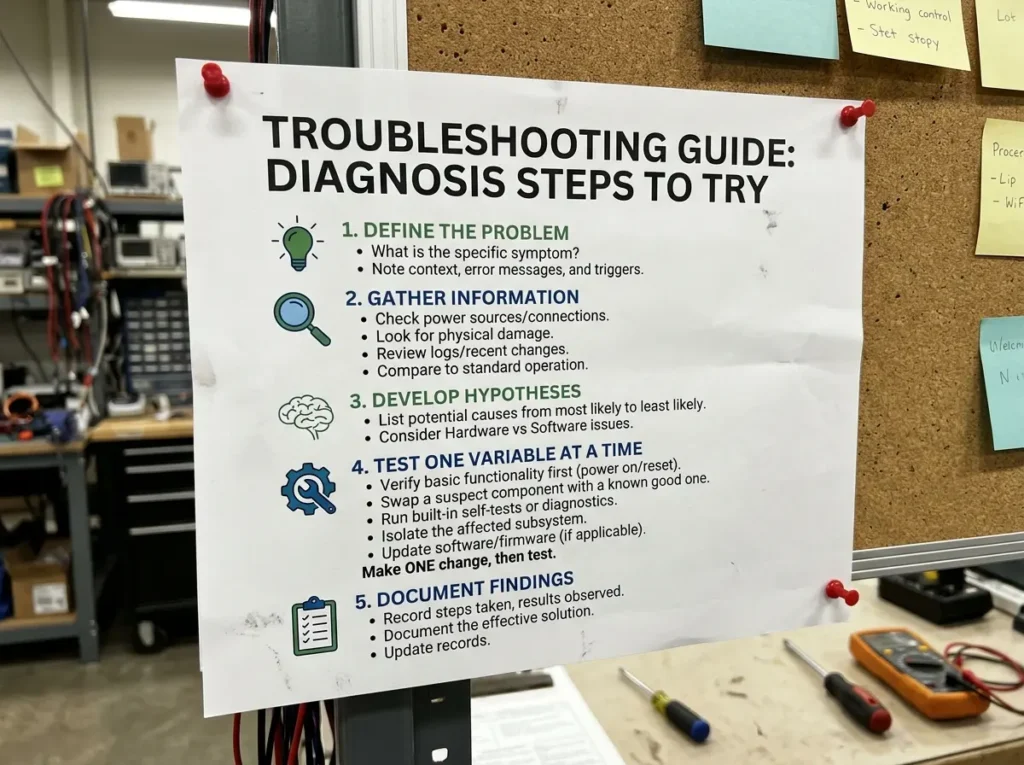
Step One: Check If Heater Has Power Supply
Verify heater has electricity or gas. Check circuit breaker for tripped breaker. Reset breaker if it’s tripped. Check gas valve is turned on. Listen for burner ignition sound. Ensure propane tank is not empty. Power problems are easiest to fix. Quick check solves many problems.
Step Two: Check Thermostat Settings And Temperature
Verify thermostat is set correctly. Temperature should be one hundred twenty degrees. Too low setting produces insufficient heat. Increase temperature setting slowly. Wait several hours for water heat. Check hot water tap carefully. Thermostat problems are common issues. Simple adjustment fixes many problems.
Step Three: Inspect For Visible Water Leaks
Look under heater for water puddles. Check connections for dripping water. Inspect drain valve at bottom. Look for rust or corrosion spots. Small leaks indicate big problems. Leaks require professional assessment. Do not ignore water leaks. Leaks get worse without repair.
Step Four: Check Pilot Light On Gas Heater
Gas heaters have pilot light. Pilot light should be blue. No light means ignition problem. Relighting pilot might fix problem. Follow manufacturer’s instructions carefully. Some heaters have automatic relighting. Professional can relight if needed. Pilot light problems are common.
Step Five: Feel Temperature Of Water Coming Out
Turn on hot water tap fully. Feel water temperature after one minute. Lukewarm water indicates heating problem. Cold water indicates complete failure. Temperature tells you problem severity. Hot water from tap is good. Heater problem exists if cold. Temperature assessment guides next steps.
Step Six: Listen For Unusual Heater Sounds
Strange noises indicate internal problems. Rumbling sounds mean sediment buildup. Popping sounds mean mineral deposits. Quiet operation is normal and good. Noises worsen without professional maintenance. Flushing removes sediment buildup. Professional can identify noise cause. Unusual sounds need professional attention. If you’re considering upgrading to a more efficient system, learn about tankless water heater installation benefits including energy savings and unlimited hot water.
Water Heater Not Working: Common Causes
Tripped Circuit Breaker Or Blown Fuse Problem
Electric heaters need electricity to work. Tripped breaker stops power supply. Blown fuse prevents electricity flow. Reset breaker by turning switch. Replace fuse with correct amperage. Breaker trips again if problem persists. Repeated tripping indicates electrical problem. Professional electrician should diagnose issue.
Pilot Light Has Gone Out On Gas Heater
Pilot light ignites main burner. No pilot light means no heat. Drafts can blow out pilot light. Thermocouple failure prevents relighting. Relight pilot following manufacturer instructions. Professional can relight if unsure. Repeated pilot light issues need repair. Professional diagnosis prevents repeated problems.
Thermostat Malfunction Or Temperature Setting Wrong
Thermostat controls heater operation. Low setting produces insufficient heat. Broken thermostat prevents heating. Adjust setting higher gradually. Wait several hours for temperature change. High setting should be one hundred twenty degrees. Thermostat problems require professional repair. Professional can replace failed thermostat.
Sediment Buildup Reduces Heater Efficiency
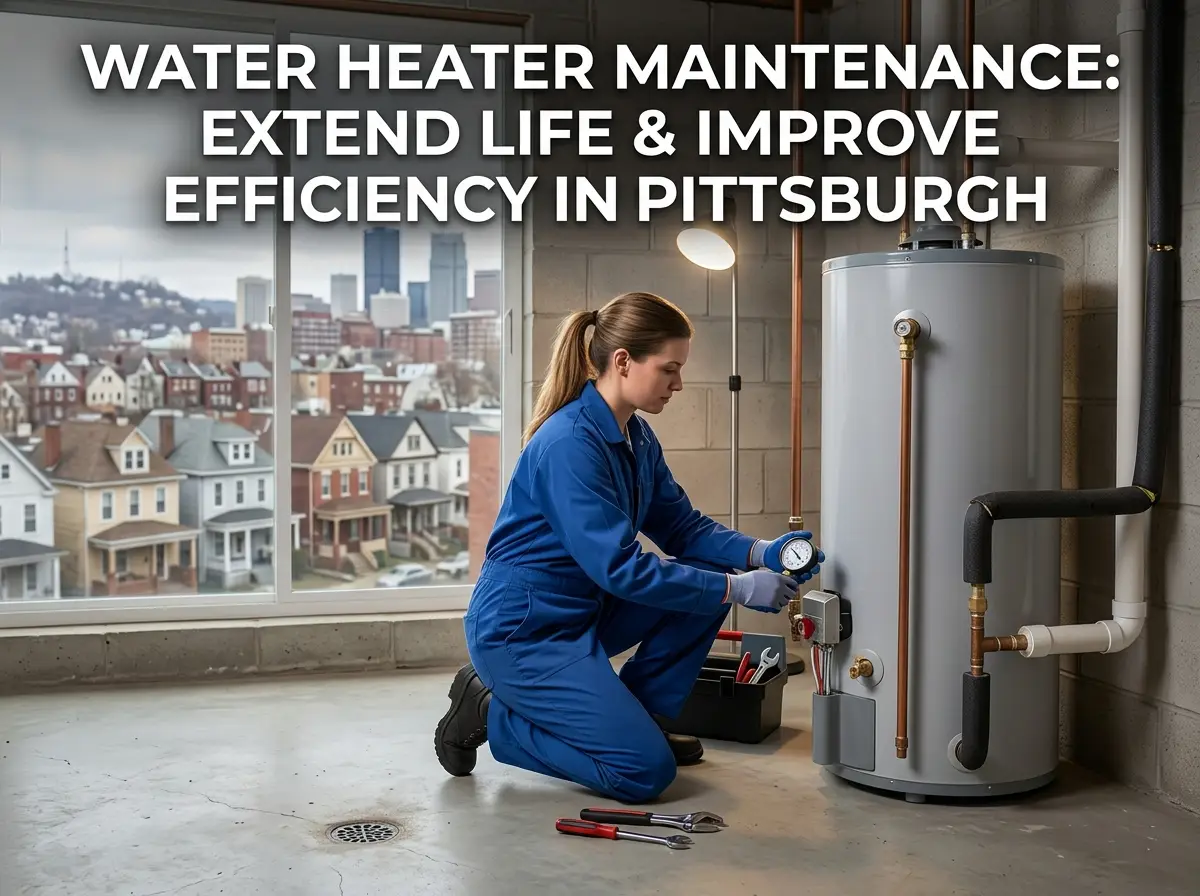
Mineral deposits accumulate over time. Sediment reduces heat transfer. Flushing removes sediment buildup. Flushing costs one hundred to three hundred dollars. Regular flushing prevents sediment problems. Annual flushing is recommended maintenance. Professional flushing restores performance. Sediment causes efficiency problems.
Broken Heating Element In Electric Heater
Heating element heats water directly. Broken element stops heating. Element replacement costs three hundred to seven hundred dollars. Professional must replace element. Electrical work requires professional expertise. Element failure causes complete heating loss. Professional diagnosis confirms element failure.
Gas Valve Failure Or Blockage Problem
Gas valve controls fuel flow. Failed valve stops heating. Blocked valve restricts fuel. Professional must repair or replace. Valve failure requires professional service. Gas work needs professional expertise. Valve problems prevent all heating. Professional assessment determines valve status.
Inconsistent Hot Water: Causes And Fixes
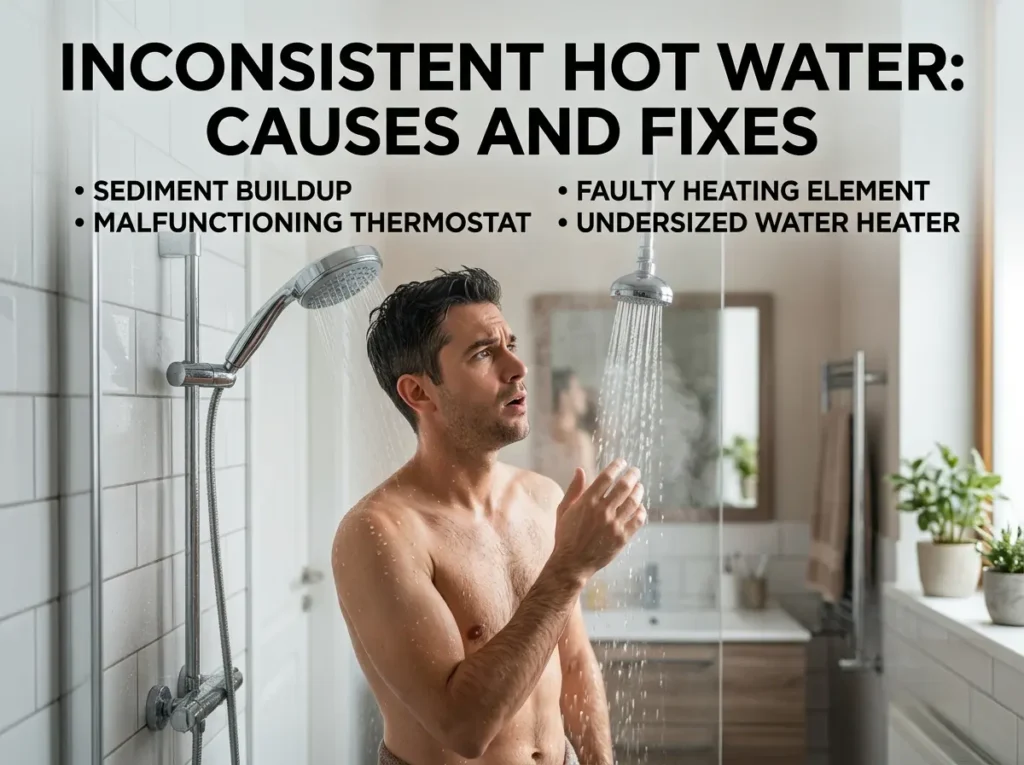
Mixing Valve Malfunction Creates Temperature Fluctuation
Mixing valve combines hot and cold water. Failing valve causes temperature changes. Adjustment can improve performance. Valve replacement costs three hundred to six hundred dollars. Professional can adjust or replace. Valve malfunction requires professional service. Temperature stability needs valve repair.
Thermostat Setting Too Low For Demand
Low setting cannot meet hot water demand. Increase thermostat setting gradually. Wait several hours for change. One hundred twenty degrees is standard. Higher demand needs higher setting. Simple adjustment solves many problems. Setting adjustment is cheapest fix.
Demand Exceeding Heater Capacity Problem
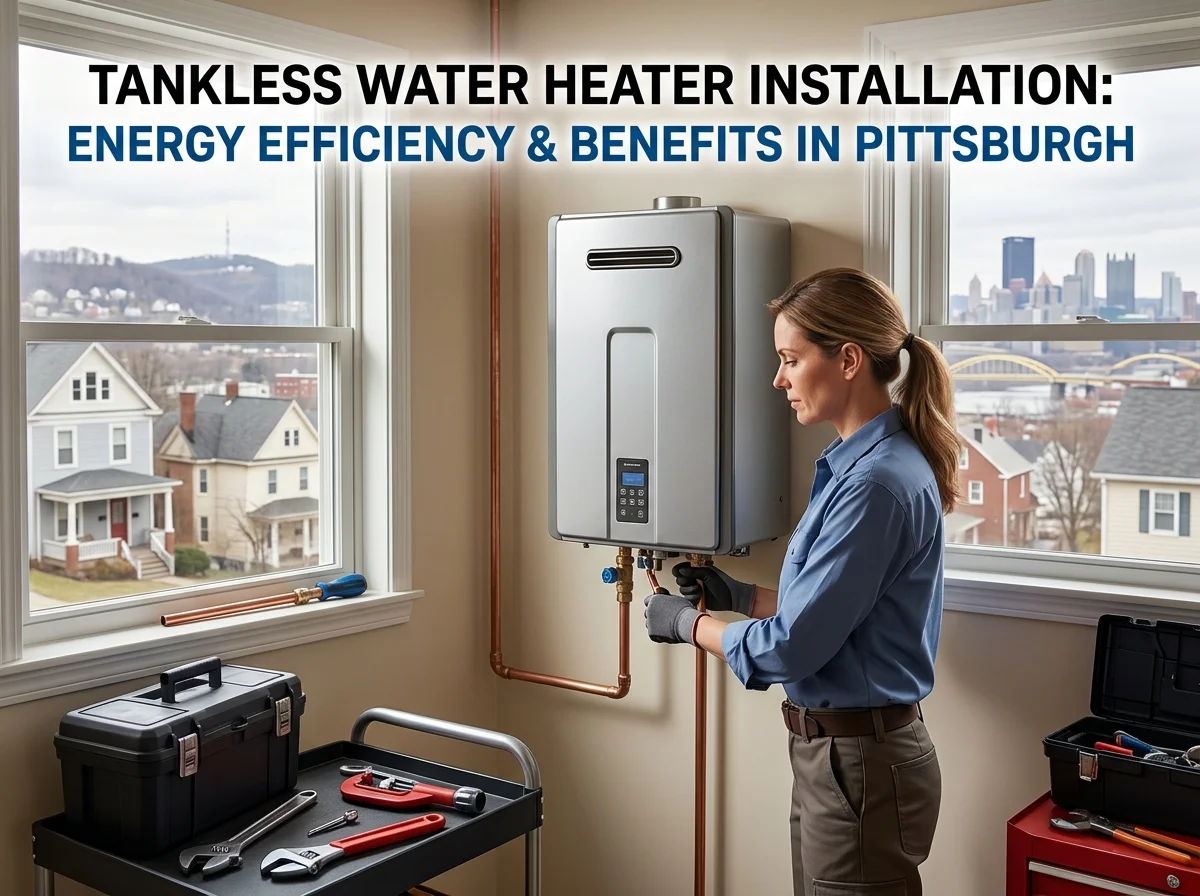
Large family uses lots of hot water. Multiple showers exhaust hot water supply. Upgrade to larger heater needed. Tankless heater provides unlimited supply. Bigger tank heater costs more. Professional can assess capacity needs. Capacity problems require larger heater. Upgrade solves inconsistent water problem.
Tank Too Small For Home Size
Tank size determines available hot water. Undersized tank runs out fast. Family of four needs fifty gallon minimum. Larger family needs seventy five gallon tank. Upgrade to bigger tank needed. Tankless heater is better solution. Professional can recommend right size. Size assessment prevents problems.
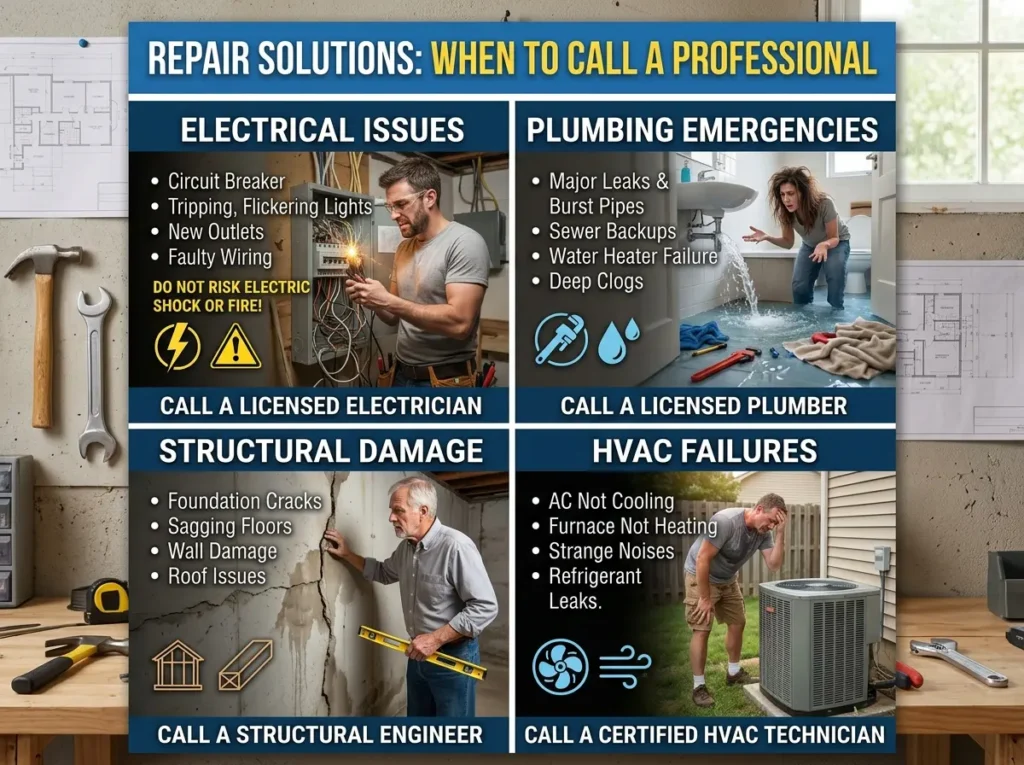
Repair Solutions: When To Call Professional
DIY Fixes You Can Try Yourself Safely
Resetting breaker is safe DIY task. Adjusting thermostat is simple. Checking connections visually is safe. Relight pilot light carefully. Power and thermostat problems can be DIY. Simple troubleshooting prevents service calls. Many problems are easy fixes. Professional if unsure about safety.
When You Must Call Professional Service
Heating element replacement needs professional. Gas valve work requires professional. Mixing valve repair needs expertise. Sediment flushing should be professional. Leak repairs require professional expertise. Pilot light that won’t stay lit. Unusual sounds need professional diagnosis. Safety concerns require professional help.
Signs Problem Needs Immediate Professional Service
Leaking water is emergency. Gas smell requires emergency call. No heat in winter needs urgent service. Rusty water indicates aging. Multiple problems mean professional needed. Strange noises indicate serious issue. Age over ten years suggests replacement. Do not delay emergency calls. Our experienced water heater service technicians provide same-day repairs and replacements throughout Pittsburgh with upfront pricing and quality workmanship.
FAQ About Water Heater Problems And Solutions
How do I know if my water heater is broken?
No hot water indicates broken heater. Leaking water means serious problem. Rusty water means heater failing. Strange noises indicate trouble. Age over ten years suggests failure. Professional diagnosis is most reliable. Assessment determines if repair possible. Professional can confirm heater status.
Can I fix water heater problems myself at home?
Simple problems like settings can be DIY. Breaker reset is safe DIY task. Checking connections is possible DIY. Flushing requires professional equipment. Heating element work needs professional. Gas valve work needs professional. Leak repairs need professional. Consult professional if unsure.
What does it cost to fix common water heater problems?
Thermostat adjustment might be free. Breaker reset costs nothing. Flushing costs one hundred to three hundred dollars. Element replacement costs three hundred to seven hundred dollars. Valve replacement costs three hundred to six hundred dollars. Leak repair might need replacement. Professional service call costs fifty to one hundred dollars. Get quotes before authorizing work.
How long does water heater repair typically take?
Simple repairs take thirty minutes to one hour. Flushing takes two to three hours. Element replacement takes one to two hours. Valve replacement takes one to two hours. Heater replacement takes three to five hours. Professional provides time estimate. Planning helps manage expectations. Schedule repairs during convenient time.
Should I replace my water heater or repair it?
Age over ten years suggests replacement. Multiple repairs mean replacement better. Leaking heater needs replacement. Rusty heater requires replacement. Professional can recommend best option. Compare repair cost to replacement. Replacement is sometimes more economical. Professional assessment helps decide.
What can I do to prevent water heater problems?
Annual flushing prevents sediment buildup. Regular maintenance extends lifespan. Monitor for unusual sounds. Check for leaks monthly. Maintain proper temperature setting. Professional maintenance is highly recommended. Prevention prevents expensive repairs. Regular service keeps system efficient. Experiencing water heater problems right now? Get in touch with us for fast, reliable diagnosis and repair service in Pittsburgh.